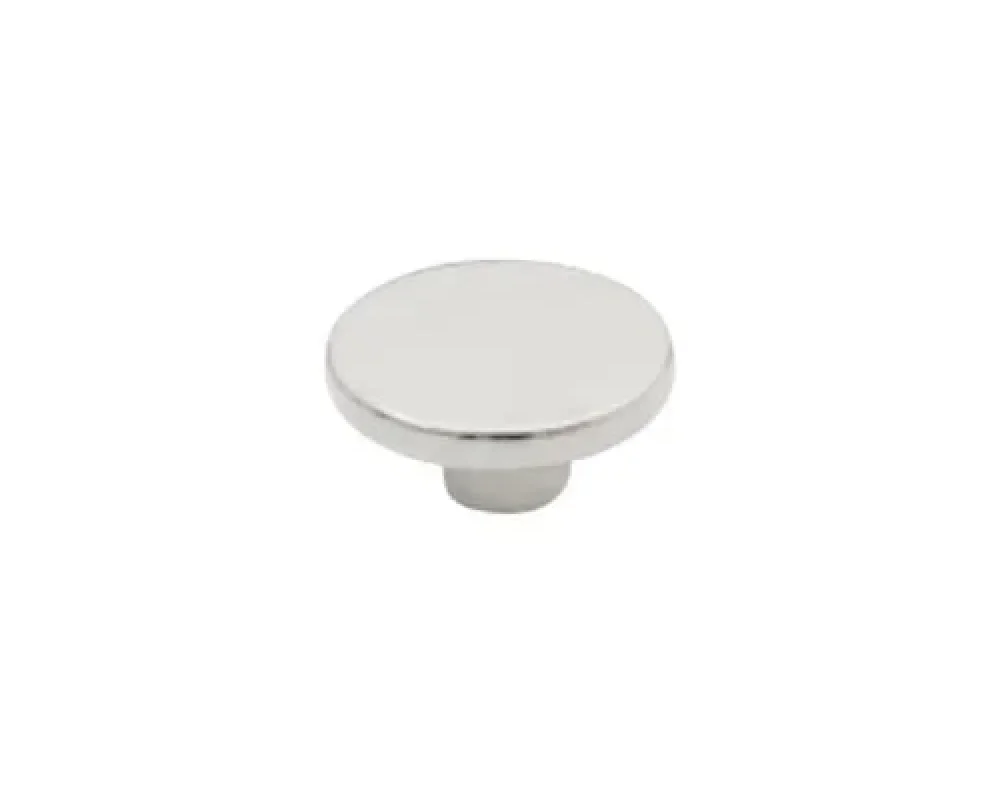
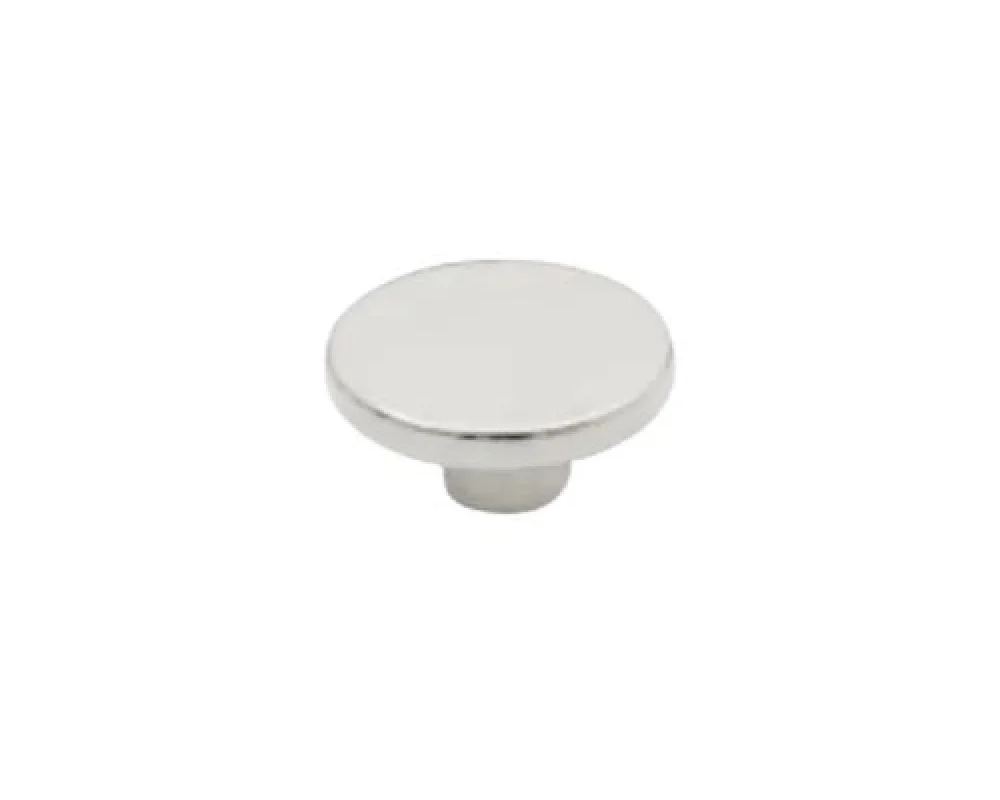
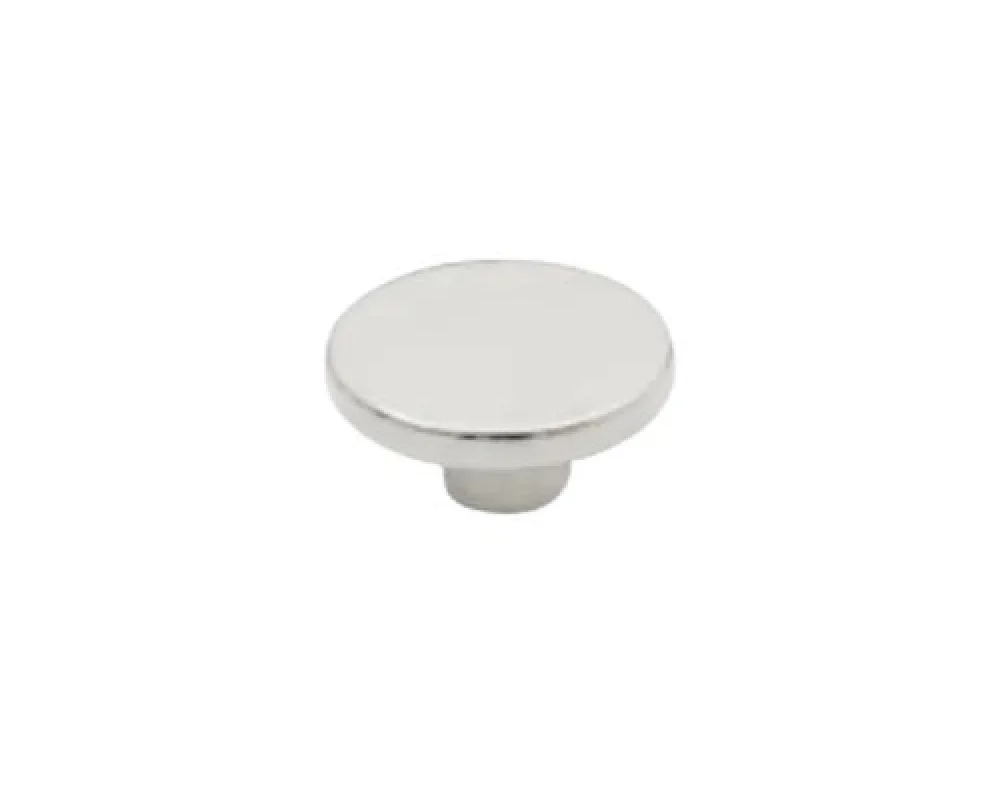
What are Stainless Steel Shank Buttons?
These buttons are functional accessories that allow you to join and open two edges of a garment, just like other denim buttons.
What Makes Coin-Type Denim Buttons Different?
"Coin-Type" refers to the design shape of the button's top surface (cap).
Design (Coin Appearance): As the name suggests, these buttons typically have a flat, round, and serrated edge (cone-shaped) appearance that resembles a coin. This design gives the product a vintage or industrial vibe.
Logo/Pattern: The flat and wide surface of coin-type buttons provides an ideal area for brands to emboss their logos or custom patterns.
Features of Stainless Coin-Type Denim Buttons
1. Stainless Material
The button and nail (rivet) part is usually made from metal materials with high resistance to rust, like brass, or from coatings that do not contain stainless steel/nickel.
This feature eliminates the risk of rusting and staining the fabric when the button comes into contact with water and moisture, ensuring the product is long-lasting.
2. Structure and Application
Two-Piece Structure: Like other denim buttons, the coin-type denim button consists of two main parts: the top cap and the nail (bottom part) used to attach it to the fabric.
Riveting System: No sewing required. With special riveting molds, it is permanently riveted to the fabric in hand presses, lever, or automatic machines, providing a strong grip.
3. Areas of Use
Jeans and Denim Jackets: These are the most common areas of usage.
Heavy Outerwear: They are preferred in products made with heavy fabrics such as coats and jackets due to their strong grip.
Accessories: They can also be used in accessories like bags, wallets, and belts made from leather or canvas.
Conclusion: Stainless coin-type denim buttons offer both functional and decorative solutions across various areas, from denim products to accessories, thanks to their durable structure, aesthetic design, and practical application method.